


What to Do Before Lab Work (So Your Results Are Actually Accurate)
If you’re going to spend time, money, and emotional energy on labs, you deserve results you can trust.
You don’t want markers to show as “abnormal” when it’s really just a reflection of how you prepared (or didn’t), what you did the day before, or the fact that you showed up dehydrated.
I see it all the time.
Below is my simple, practical checklist to reduce noise and get the most accurate lab data possible.

The goal: Let’s reduce Variables
Labs are a snapshot, one point in time. The goal is to make that snapshot as consistent and repeatable as possible.
We want to control the big levers:
Timing (time of day, cycle day if you’re cycling, fasting window)
Food and alcohol
Exercise
Sleep and stress
Supplements and meds (with guidance)
Hydration
Illness and travel
Ready to dig in? Let’s go.
1) Schedule your lab draw at the right time
Morning is best (for most labs). Many markers follow a daily rhythm. A morning draw helps standardize results.
Aim for first thing in the morning when possible
Try to test at the same time of day if you’re repeating labs later
If you’re cycling: pick the right cycle day
Hormones change across the month. If you’re comparing results over time, cycle timing matters.
If you’re still cycling, ask your provider which day(s) they want Common examples: mid-luteal for progesterone or early follicular for baseline sex hormones
If you’re on hormonal birth control, your labs can reflect the medication more than your baseline physiology
If you’re on HRT/TRT: timing matters
Your results depend on when you last dosed.
Ask your prescribing clinician whether they want a peak or trough reading
Keep your timing consistent between lab rounds
2) Know whether you should fast (and how)
Fasting isn’t always required for every lab, but it can reduce variability for certain markers. For the most consistent data, I typically recommend fasting unless your ordering provider tells you otherwise.
When I order lab panels for functional interpretation, I prefer:
12 hour fast (water is fine)
No coffee
Avoid gum, mints, and flavored drinks
A simple rule:
Fasting = no calories, just water
Markers commonly affected by food:
Glucose and insulin
Triglycerides
Some inflammatory markers
3) Hydrate like a normal person who cares about their health (not a camel, not a raisin)
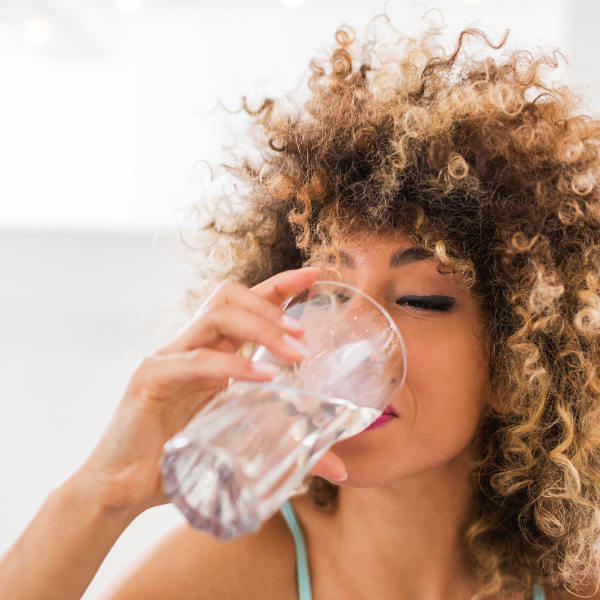
Hydration changes blood concentration. You would not believe the number of people who spend hundreds on lab work, show up dehydrated, and then a bunch of markers are thrown off. Please don’t let that be you.
Drink ample water the day before and the morning of
Avoid overdoing it right before the draw Chugging can dilute certain markers
4) Don’t do a hard workout 24–48 hours before
This one surprises people. Hard training can temporarily shift:
CK (muscle breakdown marker)
AST/ALT (can rise from muscle stress, not just liver)
Inflammation markers
Glucose regulation
Best practice:
Avoid intense lifting, long endurance sessions, or HIIT for 24–48 hours before labs If you want the cleanest read, lean closer to 48
Light movement is fine Walking, easy bike, gentle mobility, basic cardio if your body is used to it
5) Avoid alcohol for 48–72 hours (longer if you can)
Alcohol can alter:
Triglycerides
Glucose
Liver enzymes
Sleep quality (which impacts cortisol and glucose)
If you want the cleanest read:
Skip alcohol 2–3 days before labs
If you’ve had a heavier-than-usual weekend, consider rescheduling if possible
6) Prioritize sleep the night before

Sleep impacts:
Fasting glucose
Cortisol
Appetite hormones
Inflammation
Aim for:
A normal bedtime
A normal wake time
No revenge bedtime procrastination the night before labs
7) Keep your diet consistent for at least 2–3 days
This is not the time for:
A brand-new experiment
Trying to eat “super healthy” all of a sudden
A 36-hour fast
A cleanse
A massive refeed
Big swings create noisy data.
Best practice:
Eat your normal pattern for at least 2–3 days leading into labs
Keep sodium and carbs relatively consistent Especially if you’re tracking blood pressure, glucose, or lipids
8) Supplements: don’t guess, but do be intentional
Some supplements can meaningfully change lab values.
Common examples:
Biotin can interfere with certain thyroid and hormone immunoassays
Creatine can increase creatinine (not always a kidney problem)
Iron can affect iron studies depending on timing
B vitamins can shift B12 and related markers
Best practice:
Ask your clinician whether they want you to hold specific supplements
My general rule: if it’s optional, I pause it for 48 hours before labs unless your prescribing clinician tells you not to
If you do take something, note it so you can repeat the same approach next time
Important: Do not stop prescription meds unless your prescribing clinician tells you to.
9) Reschedule if you’re sick, inflamed, or freshly vaccinated
Acute illness and immune activation can temporarily alter:
CRP and other inflammatory markers
White blood cell count
Glucose
Ferritin (it’s an acute phase reactant)
If you’re actively sick, just recovered, or recently had a vaccine, ask whether you should delay.

10) Make a lab context note in your phone (this is elite-level)
If you want to interpret labs like a pro, make note of:
Time of draw
Fasting hours
Sleep duration and quality
Exercise in the prior 48 hours
Alcohol in the prior 72 hours
Any supplements and meds taken (or not)
Cycle day (if applicable)
Recent illness, travel, or unusual stress
This makes your results actionable, not just interesting.
Quick checklist (screenshot this)
Book labs for morning
Confirm fasting requirements
Ensure you are hydrated
No hard training 48 hours before
No alcohol 48–72 hours
Ensure proper timing of cycle and/or HRT administration
Sleep like it’s your job
Keep diet consistent 2–3 days
Don’t stop meds unless instructed to; ask about supplements
Reschedule if sick or inflamed
Write down your context notes
The best labs are the ones you can actually use
The best labs are the ones you can gather data from and use to make decisions about your health and lifestyle.
If you’ve ever had labs done and walked away with:
Everything is normal but you still feel off
A bunch of flagged markers with zero context
The bare bones basics from your doctor but you know you don’t feel right.
A PDF you don’t know how to translate into real life
That’s exactly why I created ESN Personalized Lab Insights.
It’s a great way to get:
A more thorough lab panel than any annual physicals
A custom interpretation based on your intake and goals
A clear, practical action plan: Food, supplements, movement, sleep, stress
I’ve interpreted a handful of panels so far and the feedback has been awesome! If you’re ready to dig deeper, I’d love to partner with you! Order your panel here.
If you’re not sure which panel fits or you have questions, email me at erin@erinstimac.com and I’ll be happy to direct you.


Comments